What solid wood really means
Solid wood is timber cut straight from the log, with grain running through its full thickness. It makes strong joints, takes hand carving, and can be sanded and refinished years later. Its main drawback is that it is a living material: it swells in humidity and shrinks in dry air, so it must be properly kiln dried and built in a way that lets it move.
That does not mean every part of a piece should be solid. Good furniture puts each material where it performs best: solid wood for legs, frames and carved parts; engineered boards for large panels, doors and cabinets.
Beech, oak, walnut and mahogany compared
- Beech: pale with a pinkish tone, fine close grain, hard, and easy to carve and bend. It is the classic choice for chairs, traditional sofas and upholstered frames. It reacts to humidity more than oak, so drying and a sealing finish matter.
- Oak: bold, recognisable grain, tough enough for daily use. Good for dining tables, floors and natural-look cabinetry, and at its best under clear or matte finishes.
- Walnut: rich dark brown with lovely tonal variation, medium hardness and fairly stable. Used for premium pieces, high-end veneer, desks and consoles.
- Mahogany: reddish brown, dimensionally stable and easy to carve, a traditional wood for fine classic furniture that deepens in colour with age.
MDF: where it works and where it does not
MDF is board made from compressed wood fibres and a binder. Its surface is perfectly smooth with no grain, which makes it the best base for paint and coloured lacquer, and it does not crack or warp in dry rooms the way solid wood can.
Its weaknesses are clear. Water reaching an exposed edge makes it swell permanently; screws in its edges lose grip after repeated assembly; and it is heavy. Use it for painted doors, wardrobes and fixed units, choose the moisture-resistant grade for kitchens and bathrooms, and make sure every edge is sealed with banding or paint.
Plywood and real wood veneer
Plywood is thin layers of wood glued with alternating grain direction, making it strong, relatively light, and better at holding screws than MDF. It belongs in sofa frames, drawer bottoms, cabinet backs and any part that needs strength without bulk.
Veneer is a thin slice of real wood glued onto MDF or plywood. Good veneer is not a shortcut: it gives you walnut or oak grain across a large, stable surface that will not warp, with neatly matched patterns. Its limit is that it cannot take deep sanding, and a deep gouge is hard to repair.
Do not confuse real veneer with printed paper or plastic made to look like wood; those are cheaper, shorter-lived and cannot be refinished.
How to tell what you are looking at
- Check the edge: on solid wood the grain carries from the top over the edge, and the end shows growth rings.
- Veneer usually shows a thin line or separate strip on the edge, and the top pattern does not continue down the side.
- MDF shows up in unpainted spots, such as the back or inside screw holes, as a smooth, even brown with no grain.
- Plywood edges show distinct stacked layers.
- A printed surface repeats the same knot or streak; real veneer never repeats exactly.
- Always ask for a sample of the wood and finish, and get the frame and panel materials in writing.
Humidity, air conditioning and the Gulf climate
Wood constantly trades moisture with the air. In coastal cities such as Jeddah, Dammam and Muscat the outdoor air is humid, while indoor air stays dry under air conditioning for most of the year. That swing is what causes split tops, opening joints and doors that stick in summer.
- Ask for kiln-dried timber, typically at 8 to 12 percent moisture content for indoor furniture.
- Keep wooden pieces out of the direct blast of AC vents and away from sunny windows.
- When mopping floors, do not let water pool around table and cabinet legs.
- After delivery, give a piece a few days to settle before judging how doors and drawers fit.
- Never wrap furniture in plastic when storing it somewhere humid; it traps moisture.
Choosing by piece
- Dining chairs and upholstered sofas: a solid hardwood frame such as beech, with glued and fixed joints.
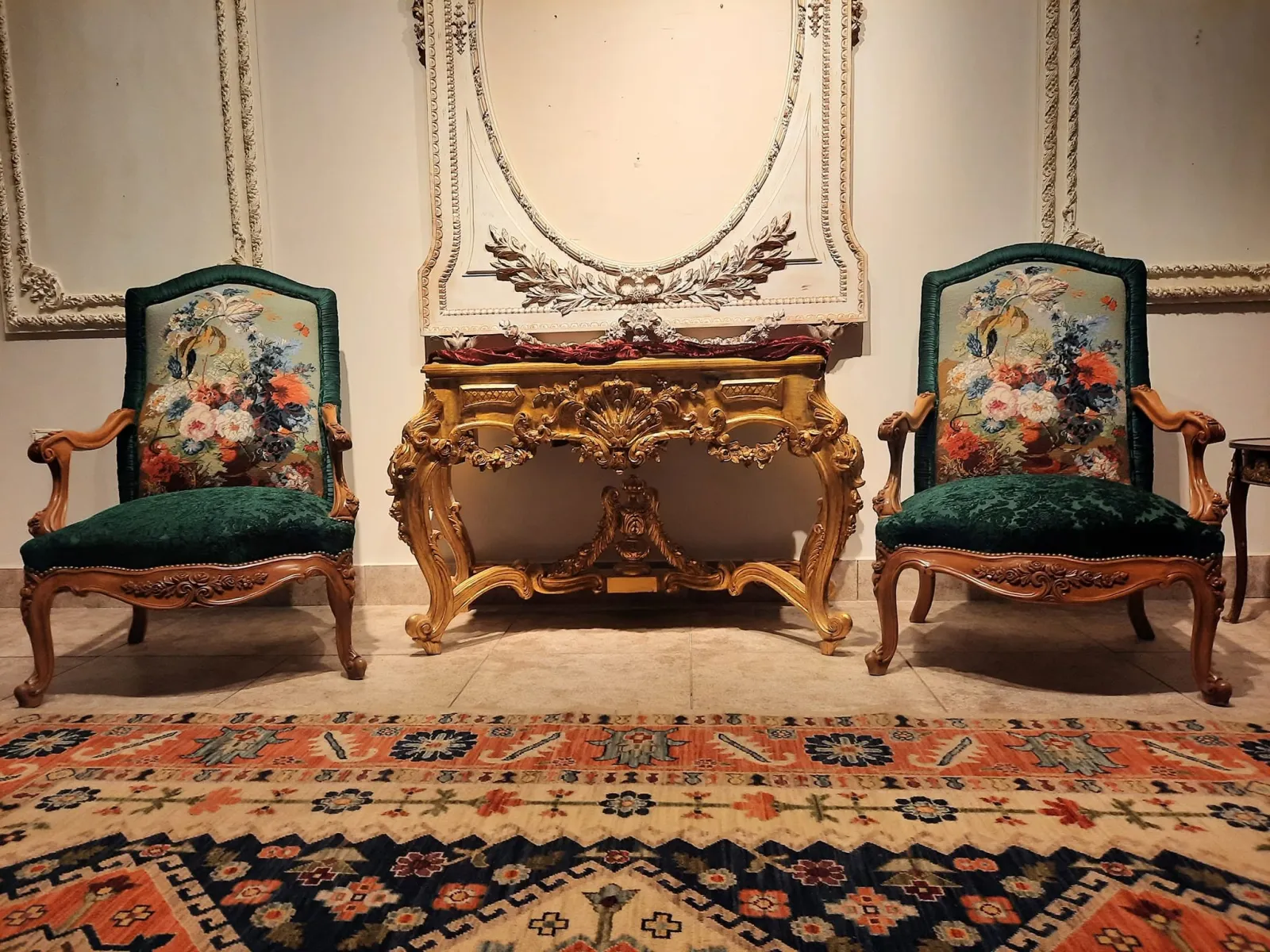
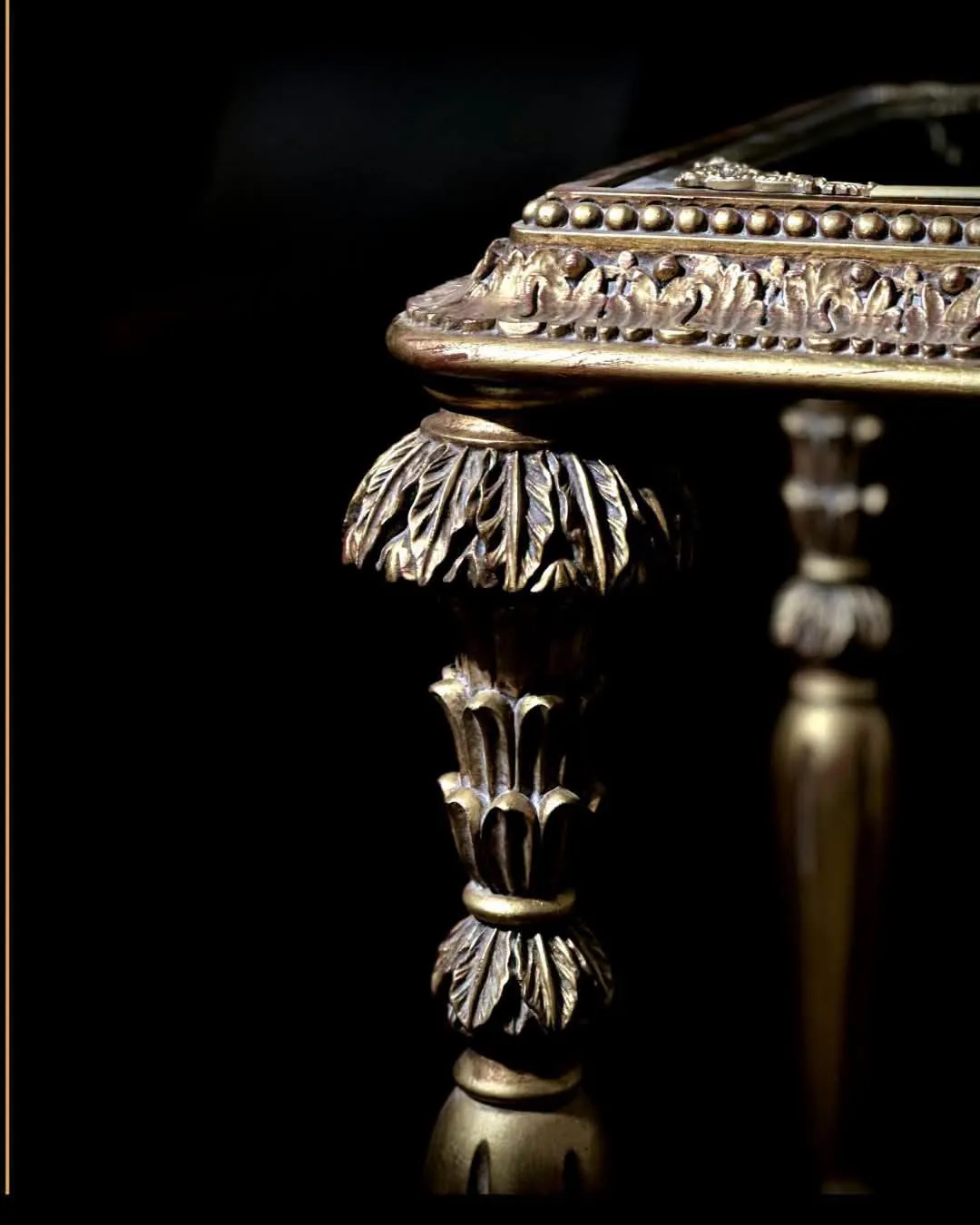
- Carved classic furniture: beech or mahogany, both of which carve and gild well.
- Dining tables: solid wood or real veneer on a stable core, depending on size and budget.
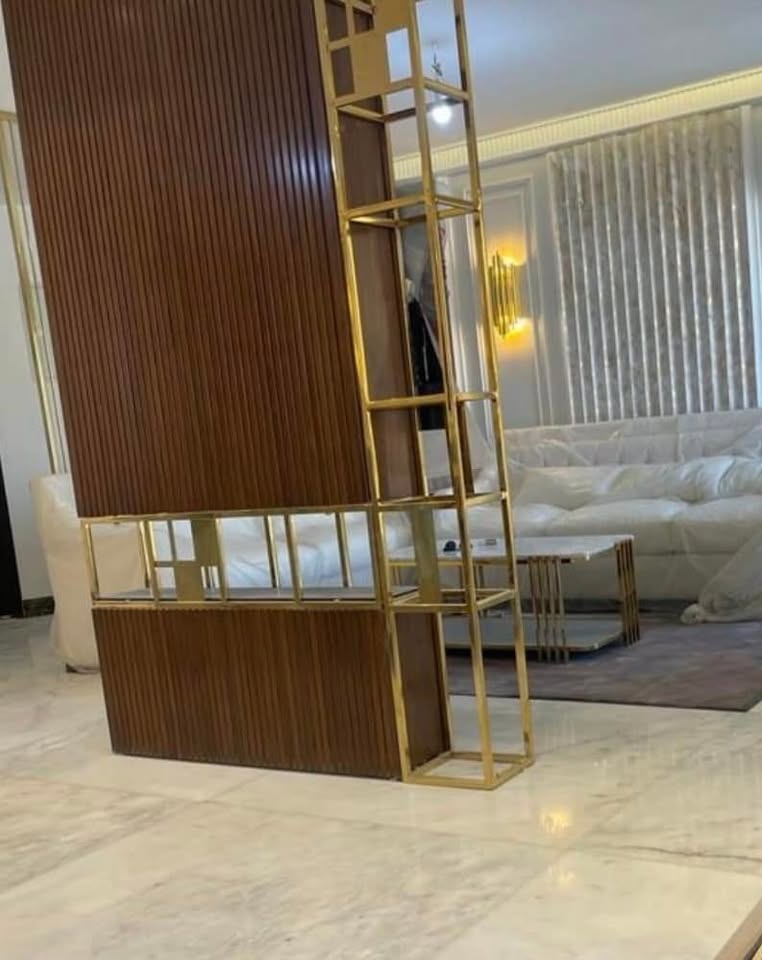
- Wardrobes, cabinets and built-ins: MDF or plywood finished in veneer or lacquer.
- Kitchens and bathrooms: moisture-resistant boards with every edge fully sealed.
At Arti Design's factories in Damietta, working since 1970, the wood and finish are approved with the client using physical samples before production starts.