Start with a list, not a number
Most budgets go wrong because they start with a single total that is then split up at random. Start instead with a complete list of everything the home needs, room by room, and mark three things next to each item:
- Is it needed from day one, or can it wait?
- How many years do you expect to keep it?
- How often will it be used each day?
These questions make priorities clear before you think about any amount.
Then sort the items into three groups:
- Essential: you cannot live in the home without it — bed, kitchen, somewhere to sit.
- Important: clearly improves daily life but can wait a few weeks — a sideboard or dressing table.
- Finishing: adds beauty and character — art and decorative pieces.
Allocate your furnishing budget to the first group first, and do not move to the second until the first is fully covered.
Priorities by room
- Master bedroom: bed, mattress and wardrobe are used every day and directly affect comfort.
- Family lounge: the sofa takes the heaviest use in the house, so it comes first.
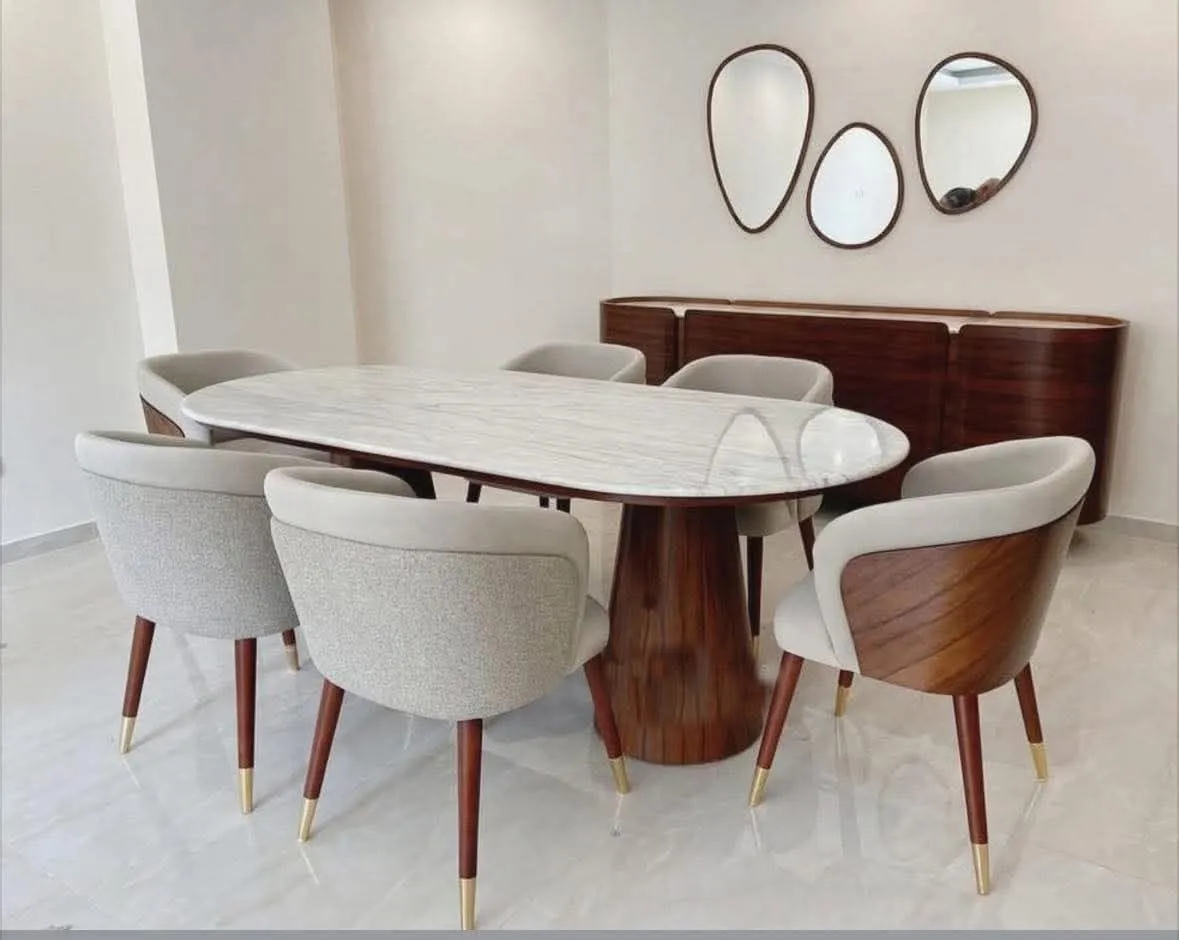
- Dining room: a sturdy table and enough chairs for the family; a sideboard can come later.
- Majlis: a priority if hosting is central to your life, otherwise it can be a second-phase room.
- Children's rooms: a bed and storage are enough at first, since their needs change quickly.
Where to invest
Invest in pieces that take daily use and are hard to replace:
- Solid frames for sofas and beds; a weak frame ruins the whole piece.
- The mattress, for its direct effect on sleep and health.
- Wardrobes and the kitchen, which are made to size and costly to change later.
- Upholstery fabric in high-traffic seating.
How do you know a piece deserves the investment? Ask about the frame wood and how the joints are made, sit on the sofa and shift your weight to check it neither creaks nor wobbles, ask about foam density, and open drawers and doors to test how smoothly and firmly they run.
Where to save
- Accessories, cushions and throws: easy to change later.
- Side tables and small pieces: add them gradually.
- Rarely used guest rooms: simple, durable furniture is enough.
- Art: buy it when you find something you truly like, not to fill an empty wall.
Saving well does not mean lower quality everywhere; it means high quality where use is heavy and flexibility where things can change.
Furnishing in phases
Split the plan into clear phases:
- Phase one: what you need to live in the home from day one — bedrooms, kitchen, family seating and dining.
- Phase two: the majlis, guest rooms and study.
- Phase three: accessories, art and finishing pieces.
Decide the style and colour palette for the whole house at the start so phase-three pieces match phase one. Keep the approved fabric and wood samples so later orders can be matched to them.
The hidden items people forget
These items surface at the last minute and upset the plan, so list them from the start:
- Curtains, tracks, curtain boxes and installation.
- Lighting: chandeliers, table lamps and accent lights.
- Rugs.
- Delivery, installation, and removing or moving old furniture.
- Mattresses, bedding and pillows.
- Protection for floors and walls during delivery.
- A contingency for adjustments, or for a piece you only realise you need after moving in.
Written quotes and how to compare them
Never rely on a verbal price. Ask for a written quote that states:
- The dimensions of each piece.
- Wood, fabric, colour and finish.
- Production and delivery time.
- What is included: delivery, installation, removal, and any guarantee.
Watch for warning signs:
- A quote that says "sofa set" with no dimensions or fabric type.
- A lead time left open or written in vague terms.
- No mention of whether delivery and installation are included.
- A request for full payment before samples are approved.
When comparing two quotes, compare the specifications before the figures; a lower quote may be for a completely different fabric or wood. At Arti Design you receive the price and lead time in writing before production, after dimensions and materials are approved with samples.